Introduction
The Tata Nano, once celebrated as the world’s most affordable car, is making a remarkable comeback in 2025 with an electric twist. The Tata Nano EV aims to redefine urban mobility by offering a compact, eco-friendly, and budget-friendly electric vehicle tailored for Indian cities. This comprehensive overview delves into the Nano EV’s design, performance, features, pricing, and its potential impact on the Indian automotive landscape.
1. Evolution of the Tata Nano
Launched in 2008, the original Tata Nano was envisioned as a people’s car, offering an affordable entry point into car ownership. Despite its innovative approach, the Nano faced challenges in terms of perception and market acceptance. Fast forward to 2025, Tata Motors has reimagined the Nano, integrating electric vehicle (EV) technology to meet the growing demand for sustainable transportation solutions.
2. Design and Aesthetics
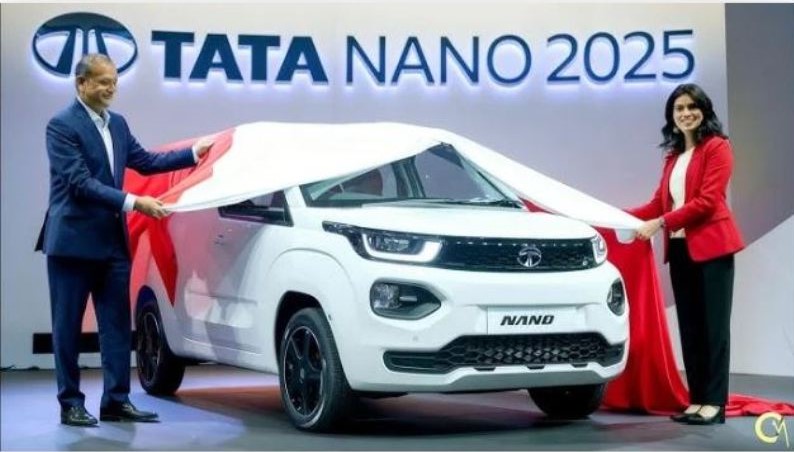
The 2025 Nano EV retains the compact dimensions of its predecessor, making it ideal for navigating congested urban streets and tight parking spaces. However, the design has been modernized with sleek lines, a refreshed front fascia, and contemporary lighting elements. The result is a stylish and functional city car that appeals to the modern Indian consumer.
3. Performance and Powertrain
Under the hood, the Nano EV is powered by a compact lithium-ion battery pack, delivering a range suitable for daily urban commutes. The electric motor provides instant torque, ensuring smooth acceleration and efficient energy use. With features like regenerative braking, the Nano EV maximizes energy recovery, enhancing overall efficiency.
4. Interior Features and Comfort
Despite its compact size, the Nano EV offers a surprisingly spacious interior. The cabin is designed with comfort in mind, featuring ergonomic seating, intuitive controls, and a user-friendly infotainment system. Advanced connectivity options, including smartphone integration, ensure that drivers stay connected while on the move.
5. Safety and Technology
Safety is paramount in the Nano EV, with features such as dual airbags, anti-lock braking system (ABS), and electronic stability control. The vehicle’s compact design contributes to its agility, making it adept at maneuvering through city traffic. Additionally, Tata Motors has equipped the Nano EV with modern technological amenities, including a digital instrument cluster and advanced driver-assistance systems.
6. Pricing and Variants
The Nano EV is positioned as an affordable electric vehicle, making EV ownership accessible to a broader audience. The base model is expected to be priced competitively, with higher variants offering additional features and capabilities. This pricing strategy aligns with Tata Motors’ vision of promoting sustainable mobility without compromising on quality or performance.
7. Charging Infrastructure and Range
To facilitate the adoption of the Nano EV, Tata Motors is collaborating with various stakeholders to expand the EV charging infrastructure across India. The Nano EV supports fast-charging capabilities, allowing users to recharge the battery to a significant level in a short amount of time. This convenience addresses one of the primary concerns associated with electric vehicles—charging time.
8. Environmental Impact
The introduction of the Nano EV marks a significant step towards reducing the carbon footprint of urban transportation. By transitioning from internal combustion engines to electric powertrains, the Nano EV contributes to cleaner air and a more sustainable environment. Tata Motors’ commitment to environmental responsibility is evident in the design and manufacturing processes of the Nano EV.
9. Market Position and Competitors
The Nano EV enters a competitive market segment, facing rivals such as the MG Comet EV and other compact electric vehicles. However, the Nano EV differentiates itself through its affordability, compact design, and the backing of Tata Motors’ extensive service network. These factors position the Nano EV as a strong contender in the entry-level EV market.
10. Future Prospects
Looking ahead, the Nano EV has the potential to evolve with advancements in battery technology and consumer preferences. Future iterations may offer extended ranges, enhanced features, and greater customization options. Tata Motors’ ongoing commitment to innovation ensures that the Nano EV will continue to meet the evolving needs of urban commuters.
Conclusion
The 2025 Tata Nano EV represents a bold step forward in making electric vehicles accessible to the masses. With its combination of affordability, compact design, and modern features, the Nano EV is poised to play a pivotal role in India’s transition to sustainable transportation. As urban centers continue to grow and the demand for eco-friendly mobility solutions increases, the Nano EV stands ready to meet the challenges of the future.
Note: The information provided in this article is based on available data as of October 2025. For the most current details on the Tata Nano EV, including official specifications, pricing, and availability, please refer to Tata Motors’ official website or authorized dealerships.
Leave a Reply